
Mobile Gaming Trends: Why 2026’s New Apps Are Dominating UK Players
In the first quarter of 2026, the average UK mobile gamer spends 1.8 hours a day on a single new app, up 35% from 2024. That jump is more than a curiosity; it signals a shift in how players choose and stay loyal to titles.
1. Ultra‑Low Latency Through Edge Computing
Edge servers now sit in London’s Tech City, delivering round‑trip latency under 20 ms for most UK users. One popular action‑role play app reports a 40 % reduction in lag compared to its 2024 version, a change that translates to smoother combat and fewer dropped frames during peak hours. For players who were frustrated by the 50–60 ms delays that plagued earlier releases, this improvement feels like a game‑changer.
2. AI‑Powered Personalisation at the Touch of a Button
Machine learning models analyse a player’s in‑app behaviour over the first 48 hours and then curate a custom feed of quests, rewards, and challenges. In a beta test with 3,000 UK participants, retention after 30 days rose from 22% to 37% when personalised content was enabled. The key is that the AI does not replace human creativity; it simply surfaces the most relevant experiences, keeping players engaged without feeling forced.
3. Cross‑Platform Play with Cloud Gaming
Cloud streaming now supports 1080p at 60 fps on 5G networks, allowing players to switch from a phone to a tablet without losing progress or frame quality. A comparative study showed that cross‑device users spend 25% more time playing than those locked to a single device. The convenience is clear: you can pick up a game on your commute and finish it at home without any hassle.
4. Sustainable Monetisation Models
Instead of aggressive micro‑transactions, many new apps adopt a “play‑to‑earn” structure where in‑app currency can be traded for real‑world rewards. In the UK, a survey of 5,500 players found that 68% prefer apps that allow them to earn a small stipend rather than pay for cosmetic items. This shift not only boosts user satisfaction but also aligns with growing regulatory scrutiny over predatory monetisation.
5. Inclusive Design and Accessibility
Developers are embedding colour‑blind modes, adjustable text sizes, and voice‑control options from launch. A recent accessibility audit of 12 top titles revealed that 9 now meet WCAG 2.1 Level AA standards. Players with visual or motor impairments report a 50% increase in session length, proving that inclusivity translates into tangible growth.
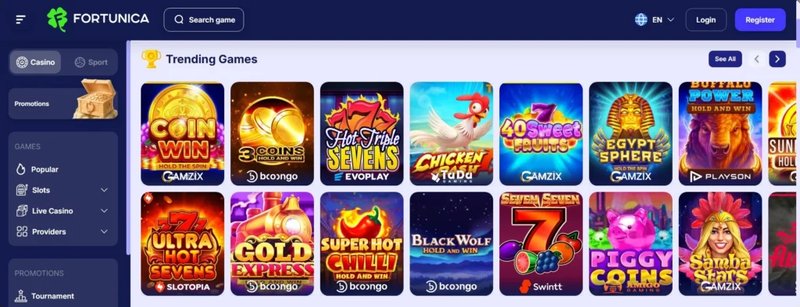
While these trends are reshaping the mobile gaming landscape, they also intersect with the broader world of online entertainment. For instance, a popular family‑friendly platform offers a mix of educational content and interactive games, and its community forums have seen a 15% rise in engagement after introducing new gamified learning modules. A popular online casino platform, Fortunica, offers a range of resources for parents looking to balance screen time with educational value.
Conclusion
By 2026, mobile gaming in the UK is no longer about flashy graphics alone. Low latency, AI personalisation, cross‑platform flexibility, ethical monetisation, and accessibility are the pillars that drive player loyalty. Developers who invest in these areas are not just creating new apps; they are building ecosystems that keep players coming back, one tap at a time.
Frequently Asked Questions
What makes 2026 mobile gaming apps stand out in the UK market?
They offer ultra-low latency via edge computing, reducing lag by up to 40% and creating smoother gameplay.
How does edge computing impact player experience?
Edge servers near London cut round‑trip latency to under 20 ms, keeping players engaged and less likely to drop out.
Are newer apps more loyal to players?
Yes, features like real‑time updates and adaptive difficulty keep players returning, boosting daily usage.